For consequential decisions, relationships, rooms, and systems.
Some leadership questions don’t have an obvious place to go.
The decision whose implications you can’t fully see yet.
The relationship you can’t quite read.
The opportunity you don’t know how to move.
The system you’re new to, or need to influence.
The board meeting, negotiation, interview, or speech where the stakes are high.
The instinct telling you something isn’t right before you can explain why.
Sara Minkara helps accomplished leaders see what they may be missing, understand the people and systems around the problem, and determine how to move.
Bring the situation. You don’t need to have it figured out first.
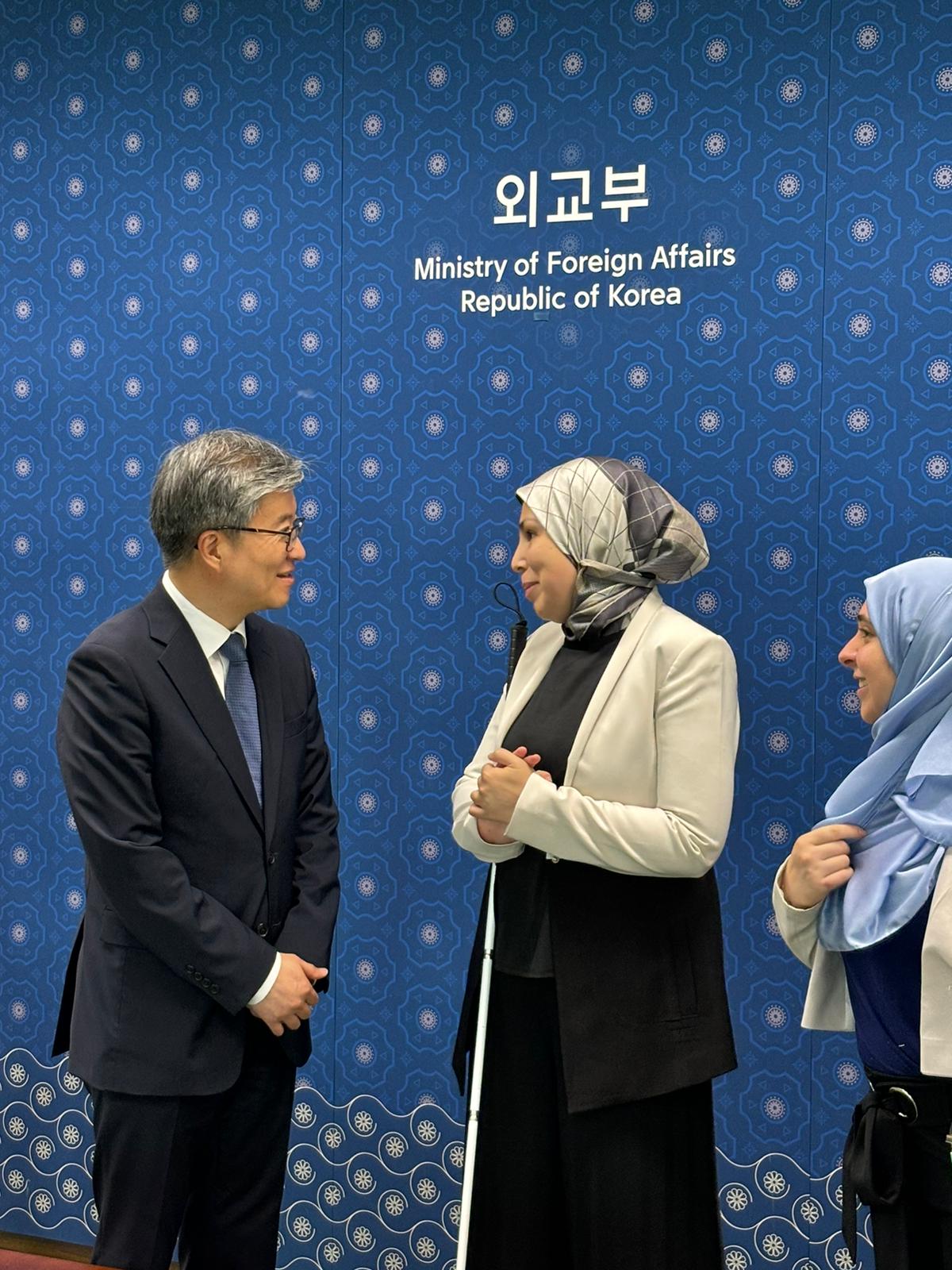
See the Room. Read the System. Move What Matters.
Read the room.
Understand the people, interests, power, relationships, history, and what isn’t being said.
READ MORE ▾
Who actually has influence? What does each person want? Where is the resistance? What are you assuming? Who is missing?
Read the system.
Understand how things really work, especially when you’re entering unfamiliar territory.
READ MORE ▾
How are decisions actually made? Where does influence sit? What are the unwritten rules? Which relationships matter? Where is the leverage?
Move the system.
Sometimes you understand the system. You need to change it.
READ MORE ▾
Sara helps leaders find allies, build coalitions, bridge competing interests, and turn something that matters to them into something others have a reason to care about.
That can mean working across business, government, philanthropy, civil society, and international institutions to build public-private partnerships around opportunities no one organization can move alone.
Who needs to care? Why would they care? What would get them to move?
Own the moment.
A speech. Media interview. Board meeting. Presentation. Negotiation. Difficult conversation.
READ MORE ▾
Sara helps leaders get clear on what they actually think and communicate it in a way that is authentic, direct, and effective.
Not by memorizing a script.
By knowing what you mean.
Think three moves ahead.
What happens if they say yes? What if they say no? What does today’s move make possible, or harder, tomorrow?
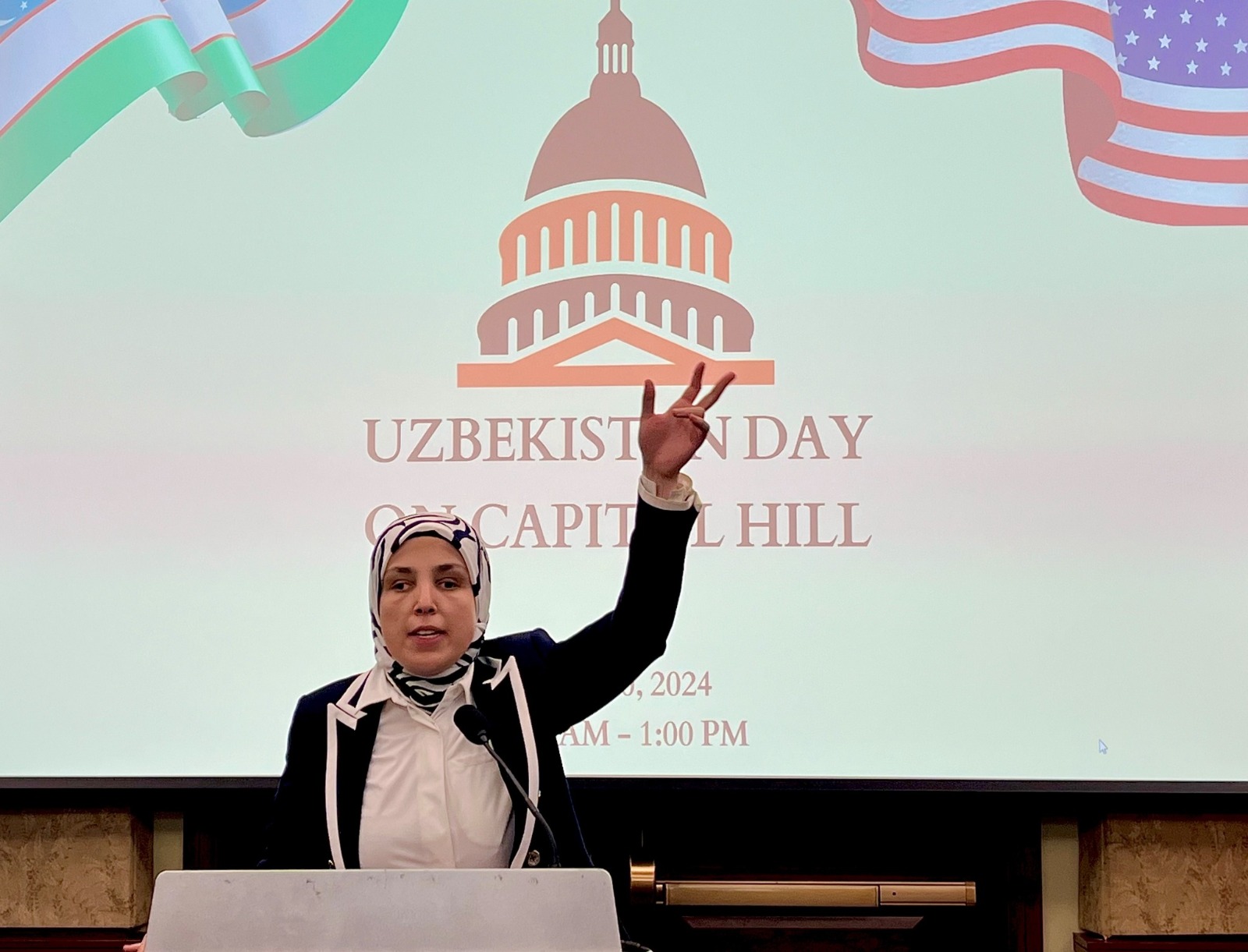
Sara has spent her career in consequential rooms.
A former Ambassador-level U.S. diplomat, global strategist, board director, and advisor to senior executives, boards, and government leaders, she has worked across more than 70 countries and with institutions including the G7, ASEAN, APEC, NATO, and the United Nations.
READ MORE ▾
These are environments where formal authority and actual influence aren’t always the same thing. Interests compete. Information is incomplete. Relationships matter. And good ideas don’t move simply because they’re good.
Sara learned how to understand who matters, uncover what people care about, find unexpected allies, build coalitions, work across sectors, and move ideas through complicated systems.
She brings that same lens to leaders today.
What’s really going on?
Who has influence?
What isn’t being said?
What are you treating as fact that may only be an assumption?
Who could become an ally?
What would change the equation?
What happens three moves from now?
Sara won’t simply reflect your thinking back to you. She’ll challenge the frame, map the players, surface what you may be missing, pressure-test your options, rehearse the conversation, connect the pieces, and tell you when she thinks you’re solving the wrong problem.
You bring the situation. Together, you work out what’s really happening and what to do about it.
Sara’s approach is also shaped by her experience as a blind leader.
She can’t rely on reading a script, scanning faces around a table, or many of the visual cues other leaders take for granted.
So she learned to lead differently.
Know the substance rather than memorize the words. Listen closely. Understand the architecture of the room. Pay attention to language, tone, participation, and silence. Structure meetings around what needs to happen, not simply what needs to be covered.
That experience shapes how Sara helps other leaders communicate.
She strips away the talking points, jargon, and over-written scripts and gets to:
What do you actually think?
What do you need from this room?
What do you want people to understand, feel, or do?
And how do you say it in a way that sounds unmistakably like you?
Four ways to work together.
Bring the Thought
Bring a decision, relationship, opportunity, strategic question, uncomfortable instinct, or half-formed idea.
Sara gets inside the problem with you: mapping the people and interests, separating facts from assumptions, identifying what’s missing, challenging the frame, pressure-testing your options, and working out the next move.
You don’t need a polished question.
“Something about this doesn’t feel right” is enough to begin.
Best for: One important issue you need to think through.
You leave with: A sharper read of the situation and a concrete next move.
Prepare for the Moment
A board meeting. Negotiation. Media interview. Speech. Investor conversation. Presentation. Difficult conversation.
Sara helps you prepare for the whole moment, not just the words.
Clarify the objective. Read the room. Anticipate resistance. Find the gaps. Sharpen your message. Pressure-test your position. Rehearse without becoming rehearsed. Plan what happens next.
Depending on the situation, Sara can help you prepare for the room, design the room, facilitate the room, or enter the room alongside you.
Best for: A consequential moment ahead.
You leave with: A clear objective, stronger approach, authentic message, and plan for before, during, and after.
Gain a Thinking Partner
Some questions are too early for the team. Too sensitive for the board. Too political. Too incomplete.
And the people around a senior leader are often part of the very system they’re trying to understand.
Sara works with a small number of leaders in ongoing, confidential advisory relationships. There is no predetermined curriculum. The agenda is what’s actually happening in your world.
Over time, Sara learns the people, politics, history, relationships, tensions, and opportunities around you.
Context compounds. Patterns become visible. You don’t have to explain the world from scratch every time.
Best for: Leaders who want an independent, experienced mind alongside them.
You leave with: Context, continuity, pattern recognition, candid challenge, and a thinking partnership that becomes more valuable over time.
Move the Organization
A decision won’t move. A leadership team is avoiding the real conversation. Different groups are operating from different assumptions. The same dynamics keep resurfacing. Or an opportunity requires people across organizations or sectors to work together.
Sara designs and facilitates leadership conversations, executive meetings, and offsites; advises teams navigating consequential decisions; convenes the right people around opportunities; and helps build cross-sector and public-private partnerships.
Through adaptive leadership approaches and In the Dark, Sara changes the conditions of the conversation so people can see the issue, and one another, differently.
The goal isn’t a better meeting. It’s movement.
Best for: Leadership teams, executive groups, cross-sector partnerships, and high-stakes organizational situations.
You leave with: A clearer path to movement across people, interests, and systems.
Experienced leaders facing questions that don’t come with a formula.
Sara works with CEOs, founders, C-suite executives, board leaders, and senior government and institutional leaders operating in complex environments.
Her clients are already accomplished.
They aren’t looking for someone to teach them how to lead.
They come when the stakes are high, the answer isn’t obvious, and the people immediately around them aren’t always the people they can think with.
They want someone who can move between business and government, boards and institutions, cultures and sectors.
Someone who understands power without being impressed by it.
Someone who listens for what isn’t being said.
Someone who will challenge them rather than simply agree with them.
They aren’t buying a leadership formula.
They’re investing in better judgment when it matters.
Bring the Thing You’re Thinking About.
The decision.
The opportunity.
The relationship.
The room.
The system.
The message.
The uncomfortable question.
It doesn’t need to be polished.
Figuring out what the real question is may be the first thing we do.
